Explore our collection of intelligence analysis topics, from foundational concepts to advanced analytical techniques.

Build a strategic risk assessment a decision-maker can act on, with scoped scenarios, defined ratings, stated confidence and review triggers.
Learning Objectives:

Understand the fundamentals of tactical intelligence: its timeframes, products, and how analysts deliver answers when the timeline is measured in minutes, not months.
Learning Objectives:

Learn how strategic, operational, and tactical intelligence differ — and why analysts who only master one level leave the other half of the job on the table.
Learning Objectives:

Explore the limitations of traditional PESTLE analysis and learn how to expand it with crucial technological, legal, and environmental considerations for a more comprehensive strategic intelligence framework.
Learning Objectives:

A comprehensive guide for intelligence analysts on how to safely and effectively research the deep web, covering tools, techniques, and ethical considerations.
Learning Objectives:

Explore the critical steps involved in intelligence processing, from data collection and evaluation to analysis and dissemination, to transform raw information into actionable insights.
Learning Objectives:

Explore the critical role of strategic intelligence products in transforming raw information into actionable insights for decision-makers.
Learning Objectives:

This lesson explores how to identify and analyze risk factor indicators within intelligence data to anticipate potential threats and opportunities.
Learning Objectives:

Learn to identify and defend against prompt injection attacks targeting AI models, protecting your systems and data.
Learning Objectives:

Explore various methodologies used by intelligence analysts to effectively evaluate and prioritize potential threats, ensuring resources are allocated efficiently.
Learning Objectives:

Explore structured methods designed to enhance critical thinking and improve the quality of intelligence analysis.
Learning Objectives:

Learn the essential techniques for developing comprehensive profiles of high-value targets, a critical skill for intelligence analysis.
Learning Objectives:

Explore the foundational concepts of predictive patterning in intelligence analysis, focusing on how historical series data can be leveraged to forecast potential criminal activities.
Learning Objectives:

Explore statistical and analytical techniques used by intelligence analysts to detect patterns in crime series, enabling proactive intervention and resource allocation.
Learning Objectives:

This lesson delves into the critical intelligence discipline of repeat offender profiling, equipping analysts with the methods to identify and analyze the behavioral patterns of individuals who repeatedly engage in criminal activity.
Learning Objectives:
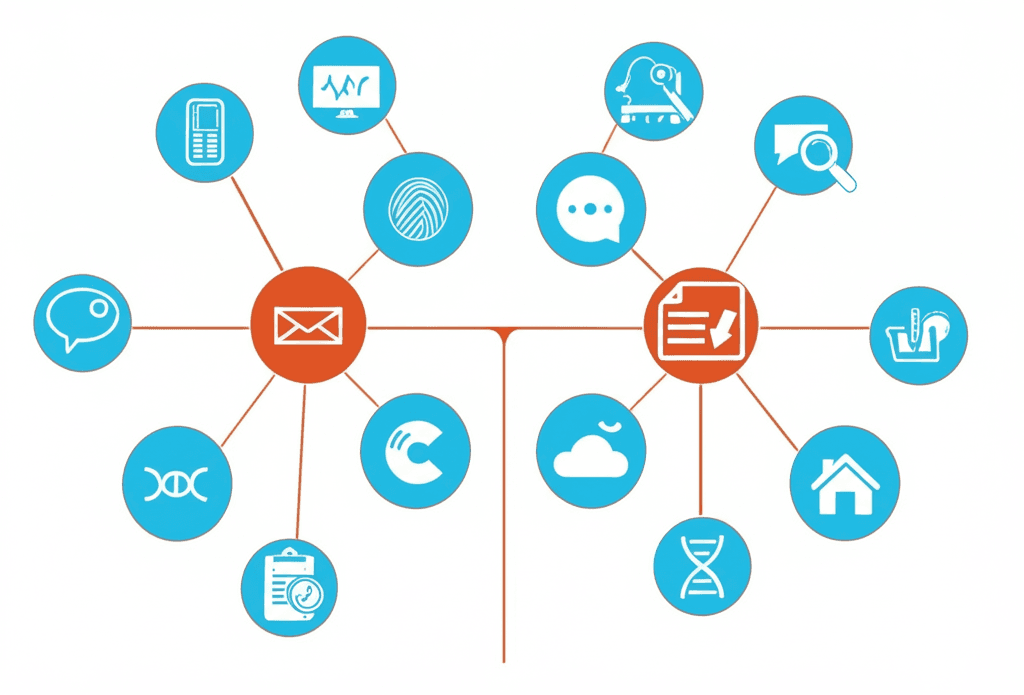
Explore the fundamental methods used by intelligence analysts to link seemingly unrelated crimes by examining behavioral patterns and physical evidence, enhancing investigative efficiency.
Learning Objectives:

Explore the core principles and practical techniques of Modus Operandi (MO) analysis, a critical skill for intelligence analysts in understanding and predicting criminal actions.
Learning Objectives:

An introduction to the fundamentals of crime series analysis and its importance in law enforcement.
Learning Objectives:

Explore advanced techniques in crime series analysis, focusing on predictive modeling for crime forecasting and optimizing resource allocation for law enforcement.
Learning Objectives:

This lesson provides a foundational understanding of link analysis, a crucial intelligence technique for uncovering hidden relationships and patterns within data.
Learning Objectives:

Master the systematic approach to gathering intelligence, from defining requirements to evaluating collection efforts.
Learning Objectives:

Understand the fundamental concepts and definitions of intelligence analysis.
Learning Objectives:

Learn the five steps of the intelligence cycle and how they interconnect.
Learning Objectives:

Explore different types of intelligence including HUMINT, OSINT, SIGINT, and more.
Learning Objectives:

Understand the principles and applications of strategic intelligence.
Learning Objectives:
Master techniques for effective open source intelligence collection and analysis.
Learning Objectives:

Learn the essential components of effective intelligence reports.
Learning Objectives:
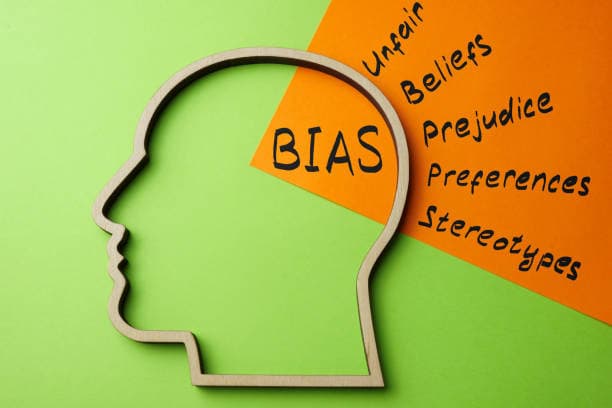
Recognize and mitigate cognitive biases that affect intelligence analysis.
Learning Objectives:

Learn the structured technique for evaluating multiple competing hypotheses.
Learning Objectives:

Build an indicator list, set a threshold, and warn while a decision still exists.
Learning Objectives:

Separate drivers from headlines and write a horizon a planner can use.
Learning Objectives:

Name the unknown that changes a decision before you write a requirement.
Learning Objectives:

Let the question pick the discipline, and record the blind spot.
Learning Objectives:

Hand a collector one question, a clock, and a definition of a negative result.
Learning Objectives:

Score the gap, not the bustle, then retask, narrow, or stop.
Learning Objectives:

Rank threats by likelihood, impact, and time to intervene.
Learning Objectives:

Turn an assessment into accept, monitor, reduce, transfer, or avoid — with the leftover risk named.
Learning Objectives:

Document observable behavior, cap the judgment, and refer to the authority that can act.
Learning Objectives:
